How to Dispute a Traffic Fine or Parking Ticket
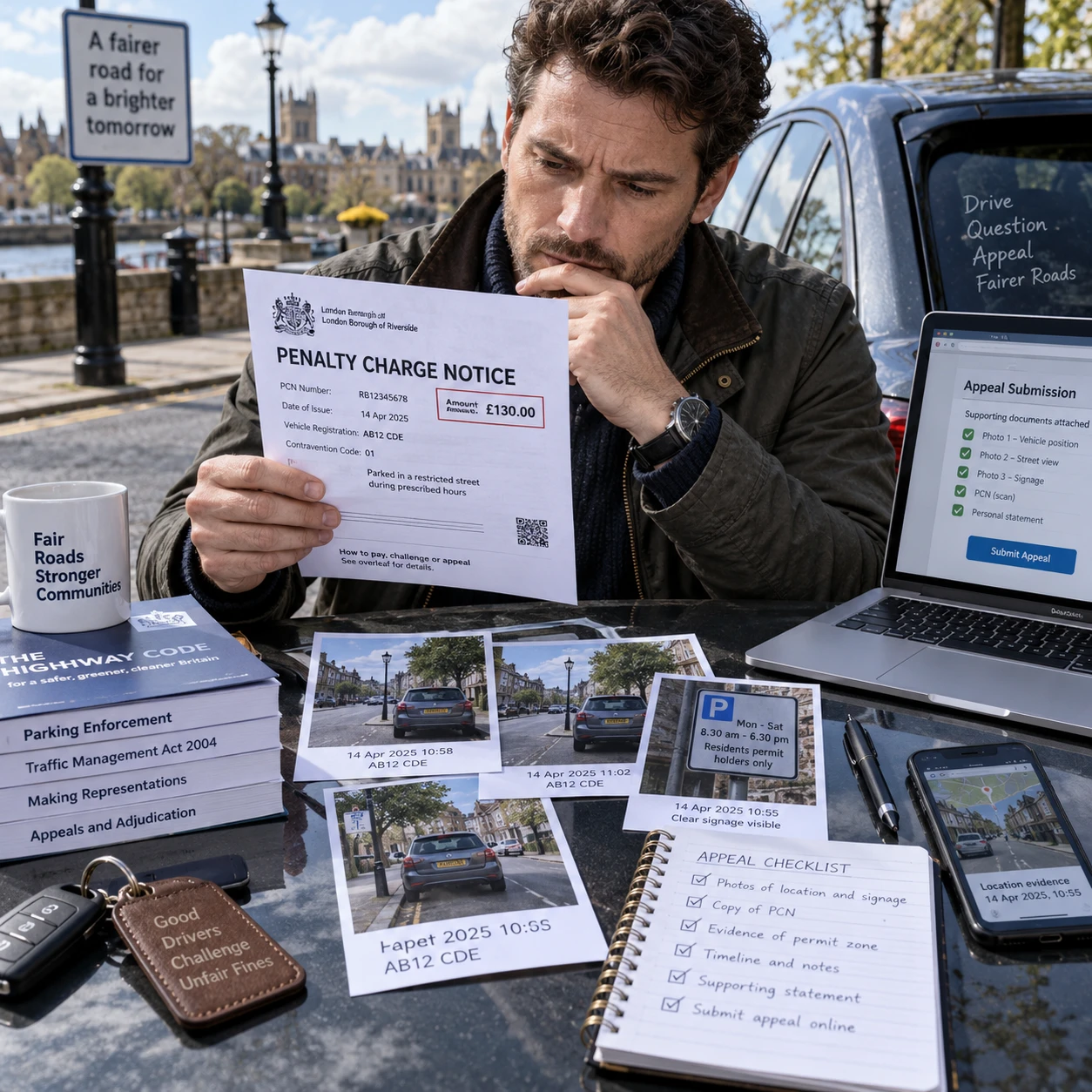
A traffic fine or parking ticket can be challenged if you believe it was issued in error or the circumstances support an appeal under local rules. The right process depends on the type of penalty notice and the issuing authority, so check the notice promptly, gather relevant evidence, and meet every stated deadline.
Check the notice and confirm who issued it
Start by identifying the notice type, issuing authority, alleged violation, and response deadline. These details determine where to send your challenge and which procedure applies.
Read the entire penalty notice, including the back page or any accompanying instructions. It may be a parking citation, a moving-traffic penalty, or a notice issued by a different body. A local transport authority, municipality, police agency, or private parking operator may each use a different process. Do not assume that rules for one type of ticket apply to another.
Check the following details and compare them with what you know about the incident:
- Notice information: reference number, vehicle registration, date, time, and location.
- Alleged violation: the rule or restriction said to have been breached.
- Issuer and channel: the authority or organization handling the notice, plus its approved website, postal address, or other response method.
- Deadline and payment terms: when a challenge must arrive and whether the amount or payment options change over time.
If information appears incorrect, note exactly what is wrong. Still use the issuing authority’s stated contact method, and keep a copy of the notice. If the issuer is unclear, verify it through an official government or authority website rather than using contact details from an unverified message.
Decide whether you have grounds to challenge it
Grounds for appeal depend on local rules and the facts of the alleged offence. A reason may support a challenge, but no particular explanation guarantees that a traffic fine or parking ticket will be cancelled.
Potential grounds can include an incorrect vehicle or location, a payment or permit that was valid at the time, unclear or missing restriction signs, or an emergency or other exceptional circumstance recognized by the authority. There may also be specific defenses under local law. The relevant test varies, so read the instructions on the penalty notice and the issuer’s current guidance.
Use a simple three-part check before deciding what to submit:
- Fact: What happened, and which detail on the notice do you dispute?
- Rule: What local requirement or exception relates to that detail?
- Proof: What record, image, or document can help the authority verify your account?
For example, if you believe a parking payment covered the relevant period, a payment confirmation with the time and location may be more useful than a general statement that you paid. If your case depends on confusing signs, explain what was hard to see and where you were positioned. Keep your account accurate and acknowledge facts that do not help your case. A concise, credible explanation is easier to assess than speculation or claims you cannot support.
Some authorities offer an informal challenge before a formal appeal. Others use different stages or names. Confirm which options apply to your notice before choosing a route.
Gather evidence to support your case
Collect evidence that directly relates to the alleged violation and your reason for disputing it. Relevant records help the issuing authority assess what happened, but only include material that supports a clear, accurate account.
Useful evidence may include:
- Photographs or video of signs, road markings, the vehicle’s position, or the location. Take images from angles that show context as well as detail.
- Parking payment receipts, meter records, app confirmations, permit details, or transaction history.
- Letters, booking records, delivery details, or other documents that establish relevant dates or circumstances.
- A copy of the penalty notice and any earlier messages or reference numbers from the issuing authority.
- A short written timeline recording when you arrived, what you saw, and what actions you took.
Keep original files where possible, and label copies so the authority can tell what each item shows. Check that photographs are legible and include the date or location when those details matter. Do not alter images in a way that changes their meaning. If you have no supporting document, explain why and provide the clearest account you can.
A practical evidence test is: Does this item help establish a disputed fact? If not, leave it out. A large bundle of unrelated material can make the main point harder to find. Before sending anything, check the authority’s file-size, format, and submission rules.
Submit your challenge through the correct process
Submit the challenge using the channel and instructions stated on the notice or the issuing authority’s official website. Include the notice reference, your grounds, a concise account, and copies of relevant evidence.
Some authorities accept challenges through an online portal; others require a form, email, or post. Use the correct process for the notice type. If you send documents by post, consider using a service that provides proof of posting, and allow enough time for delivery. For an online submission, save the confirmation page or reference number.
A clear challenge usually includes:
- Your name and contact details, vehicle registration, and penalty notice reference.
- The specific decision or detail you are asking the authority to review.
- A short, factual explanation of what happened and why you believe the notice should be reconsidered.
- A list of attached evidence and copies of relevant records.
- A clear request for the outcome you seek, such as cancellation or review under the applicable process.
Write in a calm, direct tone. Avoid sending original documents unless the authority asks for them. Before submission, check the appeal deadline, confirm that every attachment opens, and save a complete copy of your challenge. If you are close to the deadline, follow the notice’s instructions rather than waiting to collect evidence that may not arrive in time. Ask the authority how to provide additional material if its rules allow it.
What happens after you submit a dispute?
After you submit a dispute, the issuing authority reviews your explanation and evidence, then communicates an appeal decision through the contact method set out in its process. The response may accept the challenge, reject it, or explain that more information is needed.
Keep the submission confirmation and check your email, online account, and postal mail for updates. The decision should explain what happens next, including any payment amount, further appeal option, or deadline. If the authority asks for more information, note the response date and provide only what it requests or what is necessary to clarify your case.
Do not assume that submitting a challenge automatically pauses payment or enforcement. Payment requirements differ by jurisdiction and notice type. Check the penalty notice and the authority’s current instructions to find out whether payment is due while the review is underway, whether an amount can change, and what happens if you do not pay by a listed date.
If the authority accepts your challenge, keep the written confirmation until the matter is closed. If it rejects the challenge, read the reasons carefully before deciding whether to continue. A rejection may address the evidence, the legal grounds, or a procedural requirement; understanding which point mattered will help you assess the next stage.
If your challenge is rejected
If your challenge is rejected, check the decision for the next appeal stage, the appeal deadline, and any required form or independent review body. Follow those instructions closely, because the process and available options vary by location.
In some systems, an initial informal challenge can be followed by a formal appeal to the issuing authority. In others, a rejected decision may be reviewed by a tribunal, court, or separate administrative body. Do not assume that every ticket offers the same stages or that you can appeal indefinitely. Use the decision letter and official guidance to confirm what applies.
Before appealing again, compare the rejection reasons with your evidence. Address the specific points the authority relied on, correct any gaps, and explain why you believe the decision should change. If the next stage requires a hearing, check whether you may attend remotely, submit documents in advance, or request another format under local rules.
Missing a deadline can limit your options or lead to additional consequences. If you are unsure about the process or legal effect of a decision, seek advice from a qualified local adviser or legal service. Do not ignore the notice while deciding: verify payment and enforcement requirements directly with the relevant authority.
Frequently asked questions
Can I dispute a ticket after paying it?
Possibly, but the rules depend on the issuing authority and local law. Payment may close the case or affect appeal rights in some systems, while others may allow a refund request or later review. Check the notice and ask the issuer before paying if you intend to challenge the penalty.
What evidence should I include?
Include records that support the specific reason for your challenge, such as clear photographs, payment confirmations, permit details, or relevant correspondence. Add a brief explanation of what each item shows, and follow the authority’s file and submission requirements.
Do I need to pay while my appeal is being reviewed?
There is no universal rule. Check the notice and the issuing authority’s instructions to confirm whether payment is paused, still due, or subject to a changing amount during review. If the information is unclear, contact the authority and keep a record of its response.
What can I do if my challenge is rejected?
Read the decision and follow its instructions for any further appeal. Confirm the deadline, the correct review body, required documents, and payment obligations before deciding what to do next.