Navigating Toll Roads and Electronic Payment Systems: A Complete Guide for Drivers
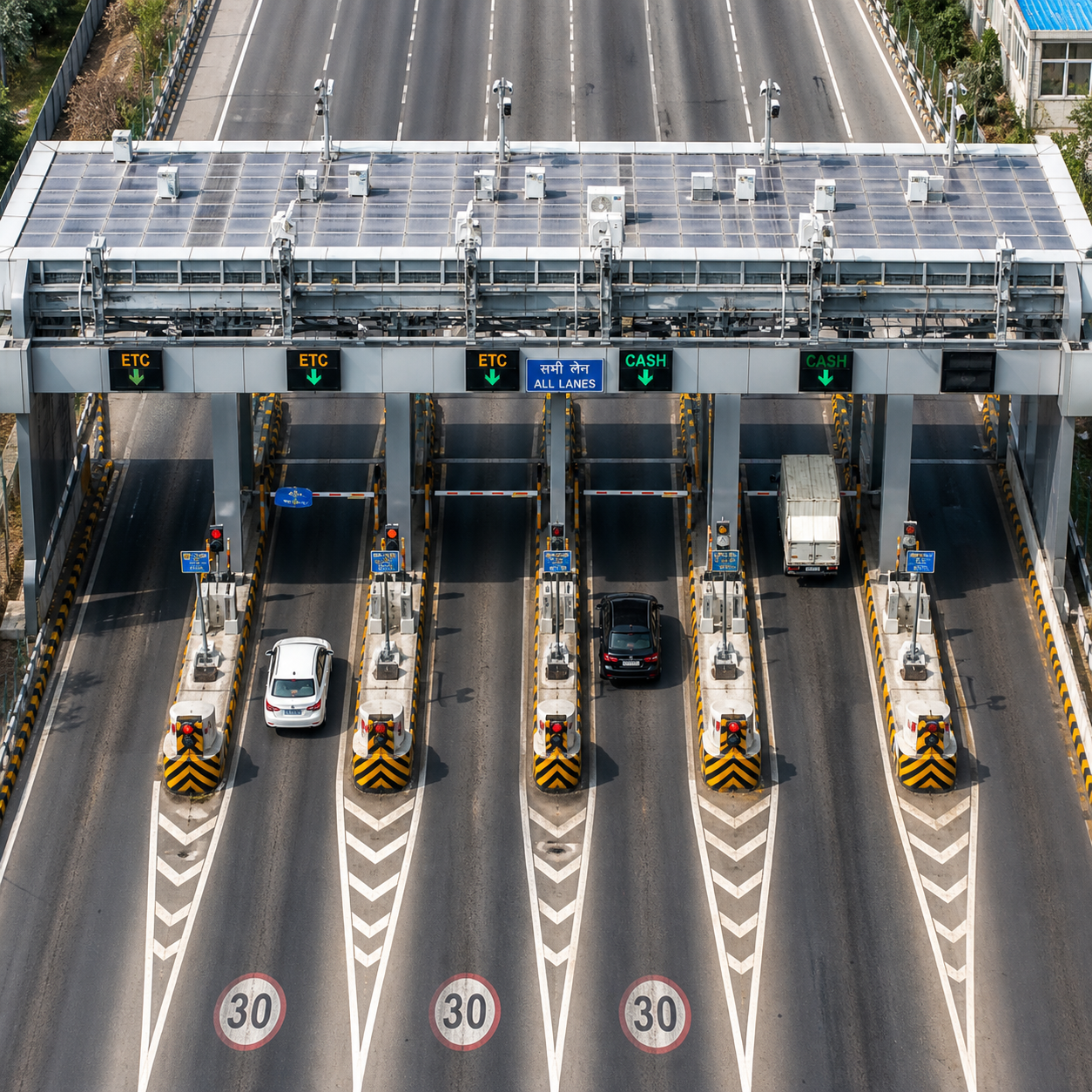
Toll roads form a critical part of the modern transport network, funding road maintenance and infrastructure upgrades that benefit all road users. Whether you drive occasionally or cover hundreds of kilometres a week, understanding how electronic toll collection works — and what your responsibilities are — can save you time, money, and the stress of an unexpected penalty notice.
How Toll Roads Work
Toll roads charge drivers a fee for using a specific stretch of road or crossing a bridge, with the collected revenue typically directed toward ongoing maintenance and construction. The fee is collected either at a physical toll plaza or, increasingly, via overhead gantry structures fitted with sensors and cameras that detect passing vehicles without requiring them to stop.
Most modern toll road networks use a combination of technologies. Roadside gantries read transponder signals from vehicles equipped with an on-board unit (OBU), while high-resolution cameras capture number plates for drivers who don't have a transponder fitted. Vehicle detection loops embedded in the road surface help classify vehicles by axle count and weight, which directly influences the charge applied.
The result is a largely seamless experience for compliant drivers — but the system does depend on accurate vehicle registration data and a funded account or valid billing arrangement. Gaps in either can trigger an unpaid toll notice.
Electronic vs. Cash Payment — What You Need to Know
The main difference between electronic and cash payment is that electronic toll collection allows you to pass through without stopping, while cash payment requires a staffed or coin-operated toll booth. On many concession roads today, cash payment lanes have been reduced or removed entirely.
Electronic payment via a transponder or toll tag is now the default on the majority of high-speed toll road networks. Some older toll plazas retain cash lanes for occasional or unregistered users, but these are the exception rather than the rule. If you're planning to use a toll road regularly, relying on cash is both slower and often more expensive — many authorities apply a small surcharge to non-electronic transactions to encourage uptake of ETC.
For drivers who neither have a transponder nor pay cash at the point of travel, automatic number plate recognition (ANPR) billing acts as a fallback. An invoice is issued to the registered keeper of the vehicle. This is a legitimate payment route on many networks, but it typically carries an administration fee and a shorter payment window than a standard account transaction.
Setting Up Your Electronic Toll Account
To set up an electronic toll account, visit the transport authority's official portal, register your vehicle details, and choose a billing method — either pre-paid or post-paid. The process takes around 10–15 minutes online and gives you immediate access to account management tools.
Here's what the registration process typically involves:
- Create an account on the transport authority's official website or app using your name, contact details, and a valid email address.
- Register your vehicle by entering the number plate, vehicle make, model, and classification (car, motorcycle, light commercial, etc.).
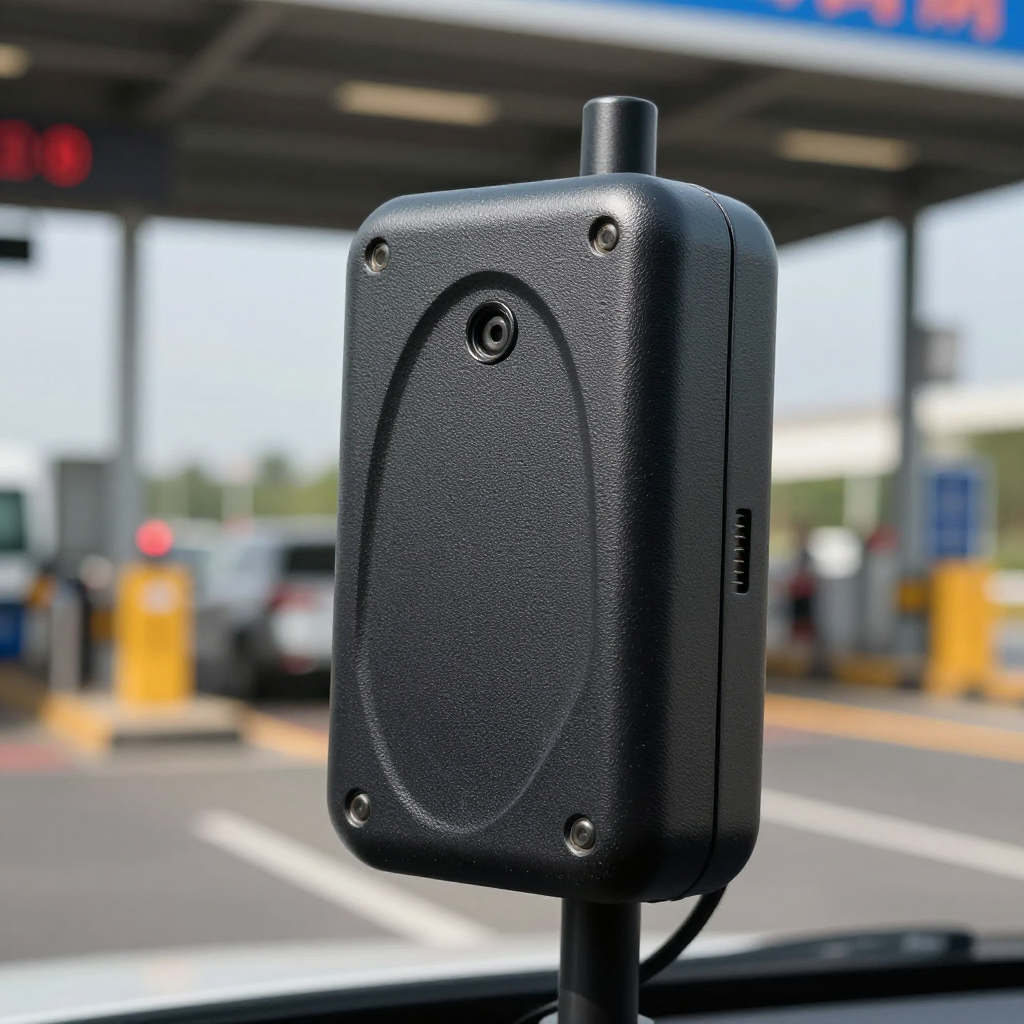
- Order or activate a transponder (OBU) — this device is usually mounted to your windscreen and communicates with gantry readers as you pass through.
- Choose a billing method: pre-paid accounts require you to maintain a positive balance, while post-paid accounts bill you at the end of a set period (weekly or monthly).
- Link a payment method — most portals accept debit cards, credit cards, and direct debit for automatic top-ups.
Once your account is active and your transponder is fitted correctly, toll charges are deducted automatically each time you pass through a gantry. Keep your registered plate details accurate — if your plate doesn't match your account, the system may fail to recognise your vehicle and trigger a billing error.
How Automatic Number Plate Recognition (ANPR) Billing Works
ANPR billing works by capturing an image of your vehicle's number plate as you pass under a gantry, then matching it to the registered keeper's details to issue an invoice. This system is used when no transponder signal is detected.
The camera system reads your plate in milliseconds and cross-references it against the vehicle registration database. If a match is found, an invoice is sent to the address on record for the registered keeper. The timeframe for receiving this invoice varies, but drivers should expect it within a few days to a couple of weeks depending on the authority's processing schedule.
The key responsibility here falls on the driver: your registered vehicle plate must be up to date with the relevant licensing authority. A mismatched, obscured, or damaged plate can delay invoice delivery and create complications if a toll remains unpaid past its due date. If you've recently changed your plate — after buying a new car, for example — update your toll account details promptly.
ANPR billing is a legitimate payment route, but it's worth noting that it costs more per journey than transacting via a transponder. The administration fee associated with invoice processing is a consistent feature across most toll road networks.
Vehicle Classification and How It Affects Your Toll Charges
Vehicle classification determines how much you pay at each toll point — heavier, larger vehicles are charged more because they cause greater wear on road surfaces. Misclassification, even accidental, can result in underpayment and a subsequent correction notice.
Most toll road networks use between three and six vehicle categories. A common structure looks like this:
- Motorcycles: typically the lowest rate, sometimes 50% of the standard car charge
- Passenger cars and light vehicles: the baseline rate that most tariff structures are built around
- Light commercial vehicles (vans, small trucks): a moderate surcharge above the car rate
- Heavy goods vehicles (HGV): the highest rates, often calculated per axle
When you register your vehicle, the classification is assigned based on the details you provide. If you drive a vehicle that sits on the boundary — a large SUV or a modified van, for instance — check the authority's classification guidelines before registering. Driving a vehicle that's underclassified in your account is treated the same as underpayment, regardless of intent.
What Happens If You Miss or Underpay a Toll
Missing a toll triggers an automated process: the system flags the journey, attempts to match the plate to a registered account, and if no payment is found, issues an unpaid toll notice to the registered keeper. Ignoring this notice escalates the matter and increases the total amount owed.
The typical escalation path works as follows. First, an unpaid toll notice is issued, giving the driver an opportunity to pay the original toll plus an administration charge. If that goes unpaid within the stated deadline, a penalty charge notice is issued at a higher rate. Continued non-payment can result in debt recovery action, which may include additional costs and, in some jurisdictions, referral to a collections agency.
If you believe a notice has been issued in error — perhaps your transponder malfunctioned, or the plate was misread — you have the right to dispute the charge through the transport authority's official appeals process. Document your case clearly: account transaction records, a photo of your transponder installation, or evidence that you were not the driver at the time can all support a valid dispute. Most authorities have a defined window for submitting appeals, so act quickly.
The most important takeaway: an unpaid toll is never a low-risk situation. The penalty charge is almost always a multiple of the original toll, and the longer it goes unaddressed, the more it costs.
Managing Your Account and Staying Compliant
Staying compliant is straightforward once your account is set up — the main tasks are keeping your balance funded (for pre-paid accounts), ensuring your vehicle details are current, and checking your transaction history periodically for anomalies.
The transport authority's online portal or mobile app is your central tool for all of this. Through it, you can:
- Top up your pre-paid balance manually or set an automatic top-up threshold
- View a full journey and transaction history
- Update your registered number plate when you change vehicles
- Add or remove vehicles from your account
- Update billing details or switch between pre-paid and post-paid arrangements
- Download statements for expense or tax purposes
One practical tip: if you drive a pre-paid account, set the automatic top-up threshold higher than the minimum. Running out of credit mid-journey means your transponder won't register, and you'll be billed via ANPR instead — paying more for the same trip. A small buffer prevents this entirely.
For business drivers managing a fleet, most transport authority portals offer multi-vehicle account structures that consolidate billing across all registered vehicles. This simplifies reconciliation and reduces the administrative overhead of managing separate accounts.
Frequently Asked Questions
Can I use my toll tag on multiple vehicles?
A single toll tag is typically registered to one vehicle at a time. Most authorities allow you to transfer a tag between vehicles through your account portal, but using one tag in a vehicle it isn't registered to can cause billing errors. If you regularly drive more than one vehicle, register each separately or contact the transport authority's customer service team to discuss multi-vehicle options.
What should I do if I receive an unpaid toll notice I believe is incorrect?
Don't ignore it. Log into your account, check your transaction history for the date and road in question, and gather any supporting evidence. Submit a formal dispute through the transport authority's official appeals channel before the notice deadline. Disputing after the deadline may limit your options, even if your case is valid.
Is there a grace period for paying a missed toll before a penalty is applied?
Most networks issue an initial unpaid toll notice with a payment window before escalating to a penalty charge. The exact timeframe varies by authority, so check the notice carefully for the payment deadline. Paying within this window typically means you pay the toll plus a modest administration fee rather than the full penalty charge.
Do rental or hire vehicles need a separate toll arrangement?
This depends on the rental company's arrangement with the toll authority. Some rental companies provide a transponder as part of the hire; others pass ANPR invoices on to the renter, sometimes with an additional handling fee. Always clarify the toll arrangement before taking a hire vehicle onto a toll road, and keep your rental agreement handy in case a dispute arises.
How do I update my registered plate if I change vehicles?
Log into the transport authority's portal, navigate to your vehicle management section, and update the plate details before your next toll road journey. If you've already driven under the new plate without updating your account, the system may have issued an ANPR invoice to the previous registered keeper. Contact customer service to reconcile this promptly and avoid a penalty escalation.
Toll roads and electronic payment systems are designed to keep traffic flowing efficiently — and for drivers who stay on top of their account, they largely deliver on that promise. The friction only appears when registration details slip out of date or account balances run dry. A few minutes of account maintenance each month is all it takes to keep your journeys smooth and your record clean.