Rules and Regulations for Commercial Driving Permits
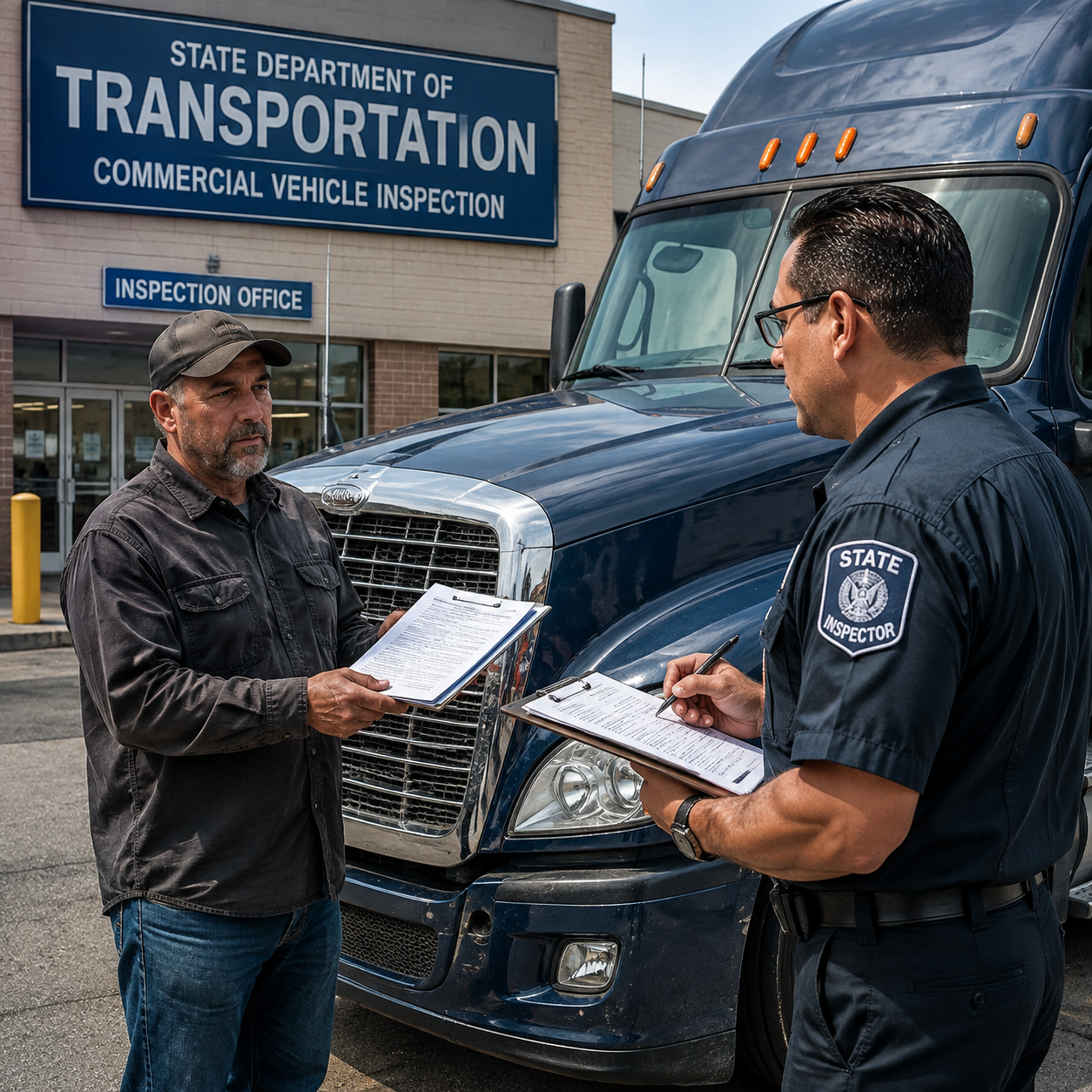
Commercial driving permits help transport authorities control who may operate vehicles for paid passenger or freight services. The rules protect road users, passengers, customers, and operators by setting standards for drivers, vehicles, insurance, inspections, and business operations.
Requirements vary by country, state, province, municipality, vehicle weight, passenger capacity, and type of service. Use this guide as a practical overview, then confirm current requirements with the relevant transport authority before applying or operating.
What Is a Commercial Driving Permit?
A commercial driving permit is an official authorization to conduct a defined commercial driving activity under specified conditions. It usually works alongside a driver licence, vehicle registration, insurance, and, where applicable, a commercial driver licence or professional driver certificate.
A standard driving licence generally permits private use of certain vehicle classes. A commercial permit addresses the additional risks created when a driver transports passengers, goods, hazardous materials, or customers for payment. It may apply to the driver, the vehicle, the operator, or the particular route and service.
Permit documents commonly identify:
- The authorized driver, operator, or business;
- The vehicle registration number and approved vehicle class;
- The type of freight or passenger service allowed;
- Operating areas, routes, hours, or other conditions;
- The effective date, expiry date, and renewal requirements.
A permit does not automatically replace other approvals. A commercial driver may still need the correct licence category, medical clearance, knowledge and skills testing, vehicle inspection, business registration, insurance, and local operating authorization.
Who Needs a Commercial Driving Permit?
A commercial driving permit is generally required when a driver or operator uses a regulated vehicle to carry passengers or goods for compensation, business purposes, or a public service. The exact trigger depends on the activity and local law.
Common examples include:
- Trucks, vans, and combinations used for commercial freight transport;
- Buses, minibuses, coaches, taxis, and private-hire passenger vehicles;
- Vehicles exceeding a local weight, size, or passenger-capacity threshold;
- Vehicles carrying dangerous goods, waste, livestock, or specialized cargo;
- Commercial towing, delivery, courier, and logistics operations;
- Vehicles operated across regional or national borders;
- Vehicles owned by one business but driven by employees or contractors.
Some jurisdictions regulate the operator rather than issuing a permit to each driver. Others require separate credentials for the driver, vehicle, route, and company. A private vehicle used occasionally for an employer’s business may be treated differently from a vehicle used to carry goods or passengers for hire.
Before applying, identify four facts: what is being transported, whether money or business benefit is involved, the vehicle’s specifications, and where it will operate. Those details usually determine the permit category and additional licensing requirements.
Eligibility Requirements and Required Documents
Eligibility usually depends on the applicant’s age, licence status, driving history, medical fitness, training, and ability to operate the approved vehicle safely. Required documents differ by permit category, so applicants should use the current checklist issued by their transport authority.
Driver qualifications
- Minimum age and, for some categories, a period of driving experience;
- A valid driver licence in the correct class, with no disqualifying suspension;
- Successful knowledge and skills testing where required;
- A satisfactory driving record and background check, if applicable;
- A current medical examination or certificate confirming fitness to drive commercially;
- Evidence of approved training for passenger safety, hazardous goods, or other specialized work.
Typical application documents
- Completed permit application and recent photograph, if required;
- Government-issued identity and proof of lawful residence or address;
- Driver licence details and driving history;
- Medical report from an authorized practitioner;
- Business, operator, or employer information;
- Vehicle registration, ownership, lease, or authorization records;
- Proof of commercial insurance and any required financial responsibility;
- Inspection certificates, safety records, or equipment details.
Medical standards may address vision, hearing, mobility, medication, and conditions that could affect alertness or vehicle control. Do not assume that a regular medical certificate is acceptable; some authorities require a specific form or examination by an approved clinician. Providing incomplete, expired, or inconsistent information can delay processing or lead to refusal.
How to Apply for a Commercial Driving Permit
To apply for a commercial driving permit, identify the correct category, prepare current driver and vehicle documents, complete required tests and medical checks, pay the prescribed fee, and wait for formal approval before operating commercially.
- Confirm the permit category. Describe the service, vehicle, cargo, passenger capacity, operating area, and business arrangement. Ask the authority whether separate driver, vehicle, route, or operator permits apply.
- Check eligibility first. Verify the minimum age, licence class, experience, medical standard, training, and driving-record requirements. This prevents paying for an application that cannot be approved.
- Gather documents. Check names, addresses, registration numbers, insurance dates, and medical forms carefully. Every document should be current and consistent.
- Complete testing. Knowledge testing may cover traffic law, defensive driving, loading, passenger care, inspection duties, and emergency procedures. Skills testing may assess vehicle control, reversing, coupling, parking, and on-road safety.
- Arrange the vehicle inspection. An authorized inspector may check brakes, tyres, lights, steering, mirrors, seat belts, emergency equipment, body condition, and required identification markings. Fix defects before presenting the vehicle.
- Submit the application and fee. Use the authority’s online portal, service centre, or approved agent. Keep the receipt, application reference, and copies of all submitted documents.
- Respond to requests promptly. The authority may request clarification, additional records, a repeat medical assessment, or a reinspection. Approval is not complete until the permit is issued or electronically confirmed.
Processing times and fees are jurisdiction-specific. Check the official transport authority website or service centre for the current application form, payment methods, appointment rules, and status procedure. For a general example of how commercial driver standards can be organized, consult the U.S. Federal Motor Carrier Safety Administration, while remembering that its rules do not replace local requirements.
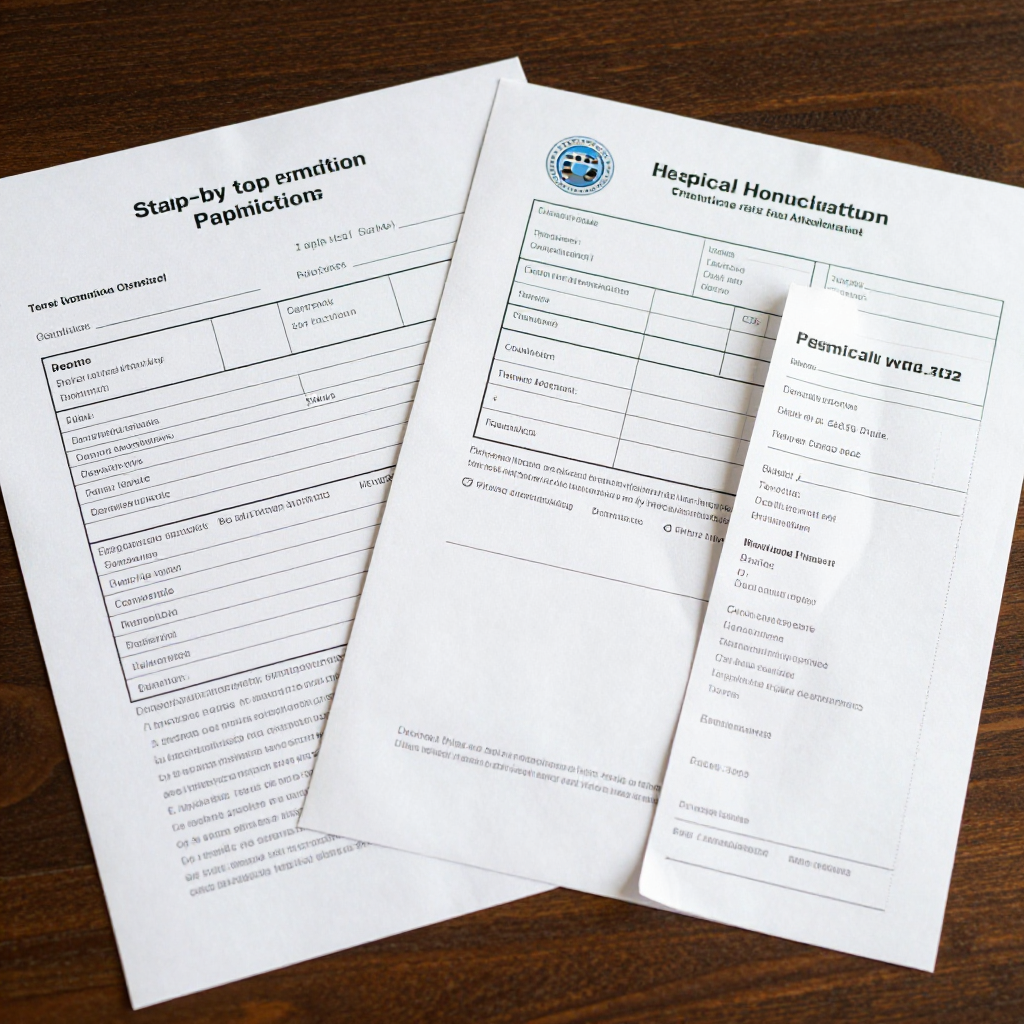
Operating Rules and Permit Conditions
Operating rules require the commercial driver and operator to use the approved vehicle, carry the permitted load or passengers, maintain safety records, and display or produce authorization when required. A permit is conditional, not a blanket approval for every commercial activity.
Typical conditions cover:
- Vehicle use: operate only the vehicle or vehicle class listed on the permit;
- Capacity and loading: stay within authorized passenger numbers, axle weights, dimensions, and securement standards;
- Driver duties: hold the correct licence, complete pre-trip checks, obey hours-of-service rules where applicable, and report defects;
- Passenger safety: use required seat belts, emergency exits, accessibility equipment, child restraints, or conduct procedures;
- Records: retain inspection reports, maintenance evidence, work or duty records, trip documents, and incident reports for the required period;
- Insurance: maintain the required commercial policy and report cancellation or material changes;
- Operating area: follow approved routes, zones, border rules, terminal requirements, or restricted-road conditions;
- Display: place permit plates, decals, identification numbers, or copies in the position prescribed by the authority.
Drivers should inspect the permit before each shift. Check the expiry date, vehicle registration, authorized service, and any special conditions. A vehicle can be mechanically sound yet unlawfully operated if its permit has expired or its actual use falls outside the approved category.
Renewal, Amendments, Suspension, and Enforcement
Renewal keeps a commercial driving permit valid after its expiry date, while amendments update information such as the driver, vehicle, operator, address, route, or service type. Authorities may suspend or cancel a permit when safety, eligibility, or compliance conditions are no longer met.
Renewal and changes
Start renewal early enough to complete medical examinations, inspections, testing, and document updates. Some permits require annual renewal; others follow longer cycles or different dates for the driver and vehicle. Operating after expiry can create enforcement and insurance problems, even when a renewal application is pending.
Notify the authority when:
- The driver changes address, name, licence status, or medical condition relevant to driving;
- The vehicle is replaced, transferred, modified, or assigned a new registration;
- The operator changes its legal name, ownership, insurance, or business address;
- The service expands to new routes, cargo types, passenger categories, or operating areas.
Enforcement and review
Common compliance failures include operating without the required permit, using an unapproved vehicle, carrying excess passengers or weight, failing to maintain insurance, ignoring inspection defects, falsifying records, and allowing an unqualified driver to operate.
Consequences may include warnings, fines, out-of-service orders, vehicle detention, permit suspension, cancellation, or prosecution. The actual response depends on local law, the seriousness of the breach, previous history, and whether the violation created a safety risk.
If an authority refuses, suspends, or cancels a permit, read the written notice carefully. It should identify the reason, effective date, corrective action, and any deadline for appeal or administrative review. Keep evidence such as inspection repairs, medical updates, training certificates, and correspondence. Do not continue operating if the notice prohibits commercial use.
Commercial Driving Permit Compliance Checklist
Use a commercial driving permit compliance checklist before every operating period and again before renewal. The goal is to confirm that the driver, vehicle, business, and records all match the authorization currently on file.
- Driver: correct licence class, valid permit or endorsement, acceptable driving record, required training, and current medical clearance;
- Vehicle: correct registration, approved vehicle identification, completed pre-trip inspection, safe tyres and brakes, working lights, mirrors, restraints, and emergency equipment;
- Authorization: permit is unexpired and covers the actual vehicle, cargo, passengers, route, and operating area;
- Insurance: commercial coverage meets the required limits and has not been cancelled or allowed to lapse;
- Records: inspection, maintenance, duty, loading, passenger, incident, and permit records are complete and retained for the required period;
- Operations: weight, dimensions, passenger capacity, working hours, speed restrictions, and loading rules are followed;
- Renewal control: calendar reminders are set for the permit, licence, medical certificate, insurance, registration, and vehicle inspection expiry dates.
A useful management system assigns one person to monitor dates and another to verify vehicle and driver readiness. That separation catches errors that a single rushed check may miss. Recheck the authority’s published guidance whenever rules, vehicle specifications, business activities, or operating locations change.
Frequently Asked Questions
What is the difference between a commercial driving permit and a standard driving licence?
A standard driving licence authorizes a person to drive specified vehicle classes, usually for private use. A commercial driving permit authorizes a regulated business activity and may impose extra requirements for the driver, vehicle, operator, route, insurance, and records.
What documents are needed to apply?
Most applications require identity and address evidence, a valid licence, medical documentation, operator details, vehicle registration, insurance, and inspection records. The exact list depends on the permit category and jurisdiction.
How often must a commercial driving permit be renewed?
Renewal periods vary. Check the expiry date printed on the permit and the transport authority’s current rules. Do not assume that the driver, vehicle, insurance, and permit all renew on the same schedule.
Can a permit be suspended or cancelled?
Yes. Suspension or cancellation may follow serious safety violations, false information, loss of medical fitness, expired insurance, repeated inspection failures, unauthorized operations, or other breaches of permit conditions. Review and appeal rights depend on local procedure.
What should a driver do if permit details change?
Contact the issuing transport authority before using the changed vehicle, route, service, or business information. Submit the required amendment and keep written confirmation that the updated details have been accepted.